Case Study: Campus Parking Solutions - How Fleming College Unified Nine Lots with Mistall
Connecting Nine Lots into One Smart Parking System
Fleming College had a simple goal: campus parking that just works.
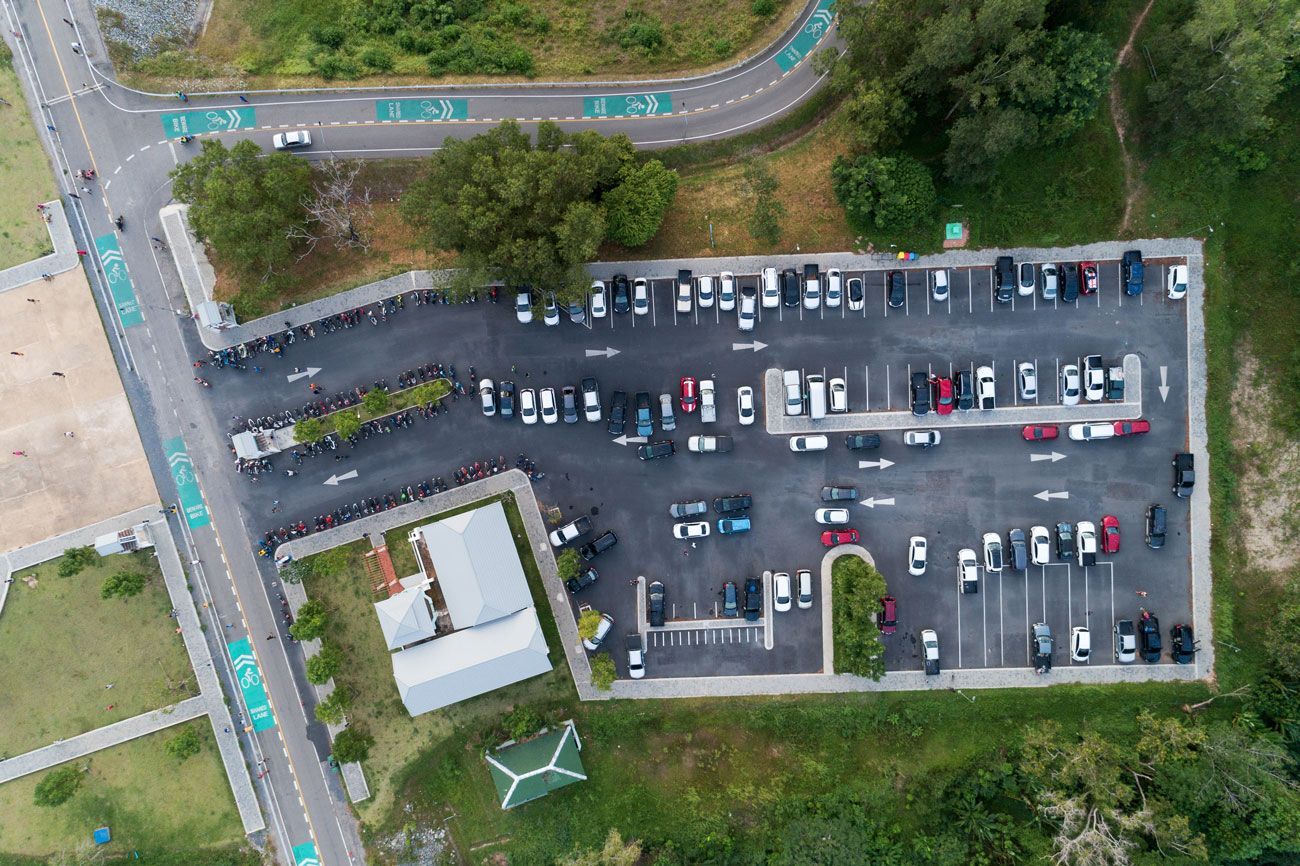
That's not a small ask. At the Sutherland Campus, nine separate parking lots were being managed mostly as independent operations. Drivers circled popular areas while quieter lots sat underused. Parking permit holders got displaced. Enforcement relied on routine patrols rather than real data. And there was no unified picture of how the college campus was actually being used.
Fleming wanted to change that — with real-time visibility across every parking facility, smarter guidance for drivers, and enforcement grounded in actual patterns, not guesswork. They selected Mistall to design and deliver that campus parking solution.
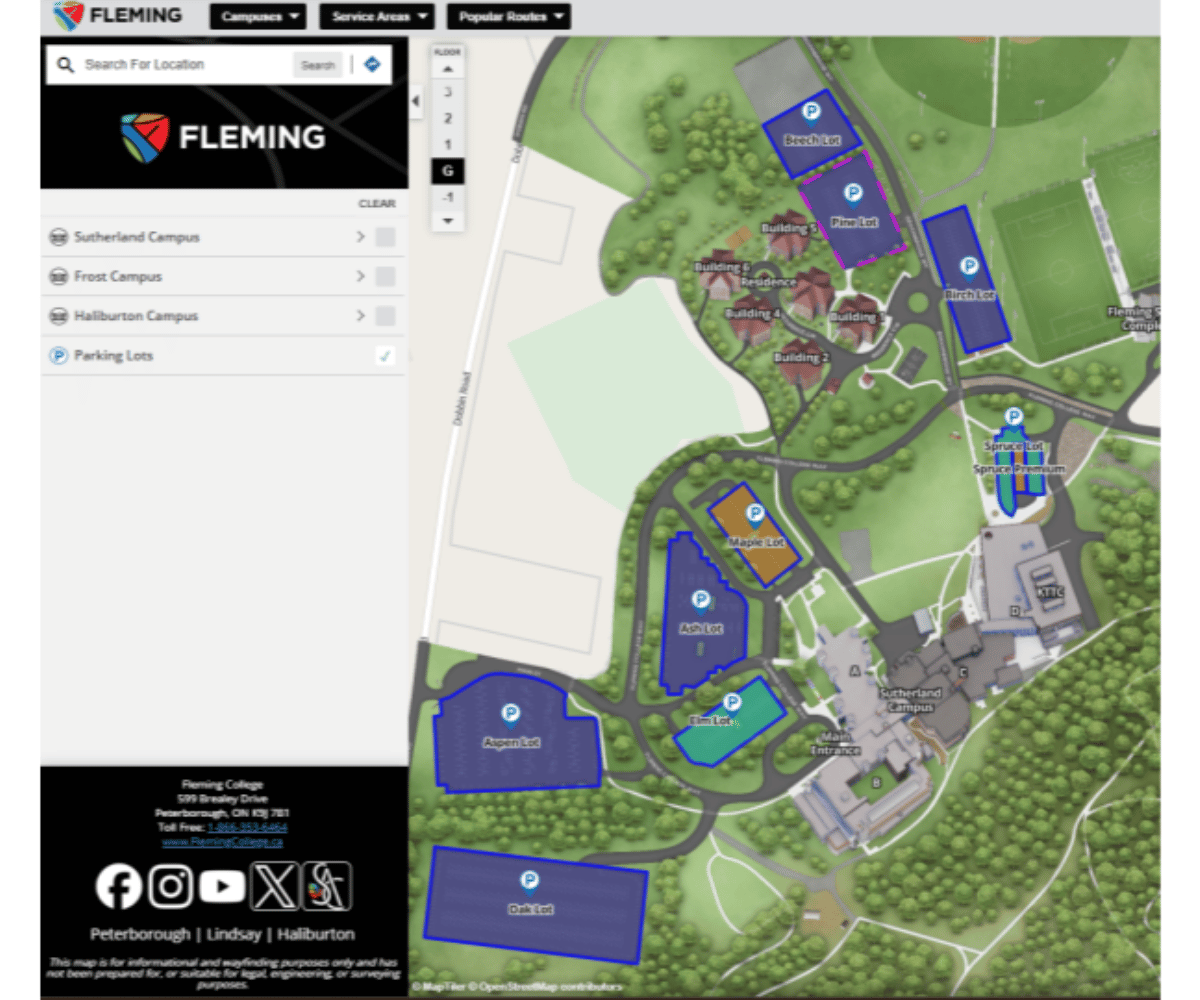
Treating Nine Lots as One Network
The first step was connecting what had been managed separately.
Mistall deployed fixed LPR and counting cameras across all nine campus parking lots and both main campus entrances. Six core lots — Ash, Aspen, Oak, Birch, Pine, and Beech — received both LPR and counting cameras, providing occupancy data alongside enforcement capability. The remaining three lots — Spruce, Maple, and Elm — and the campus entry/exits received fixed LPR only, with occupancy calculated from entries and exits.
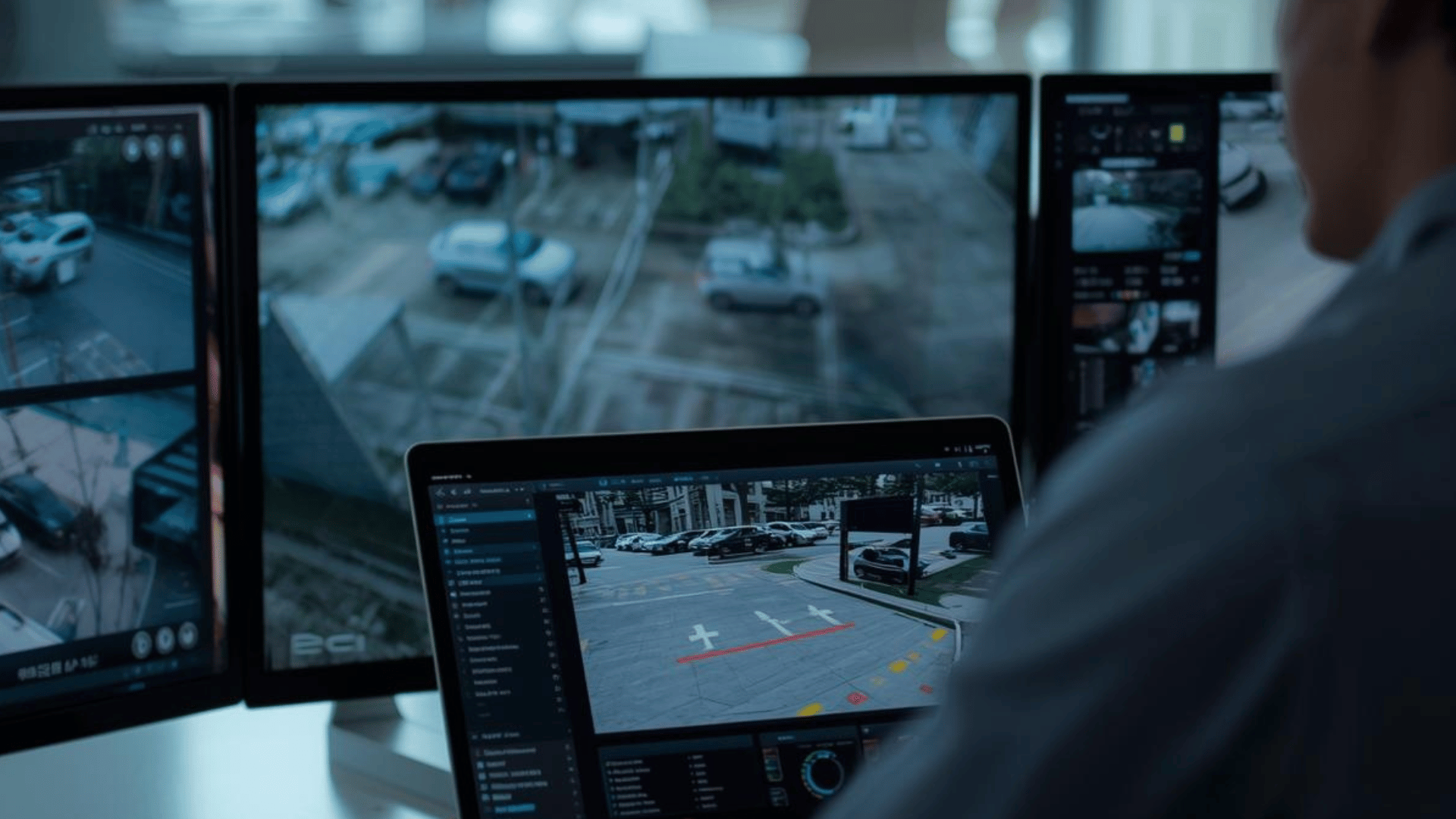
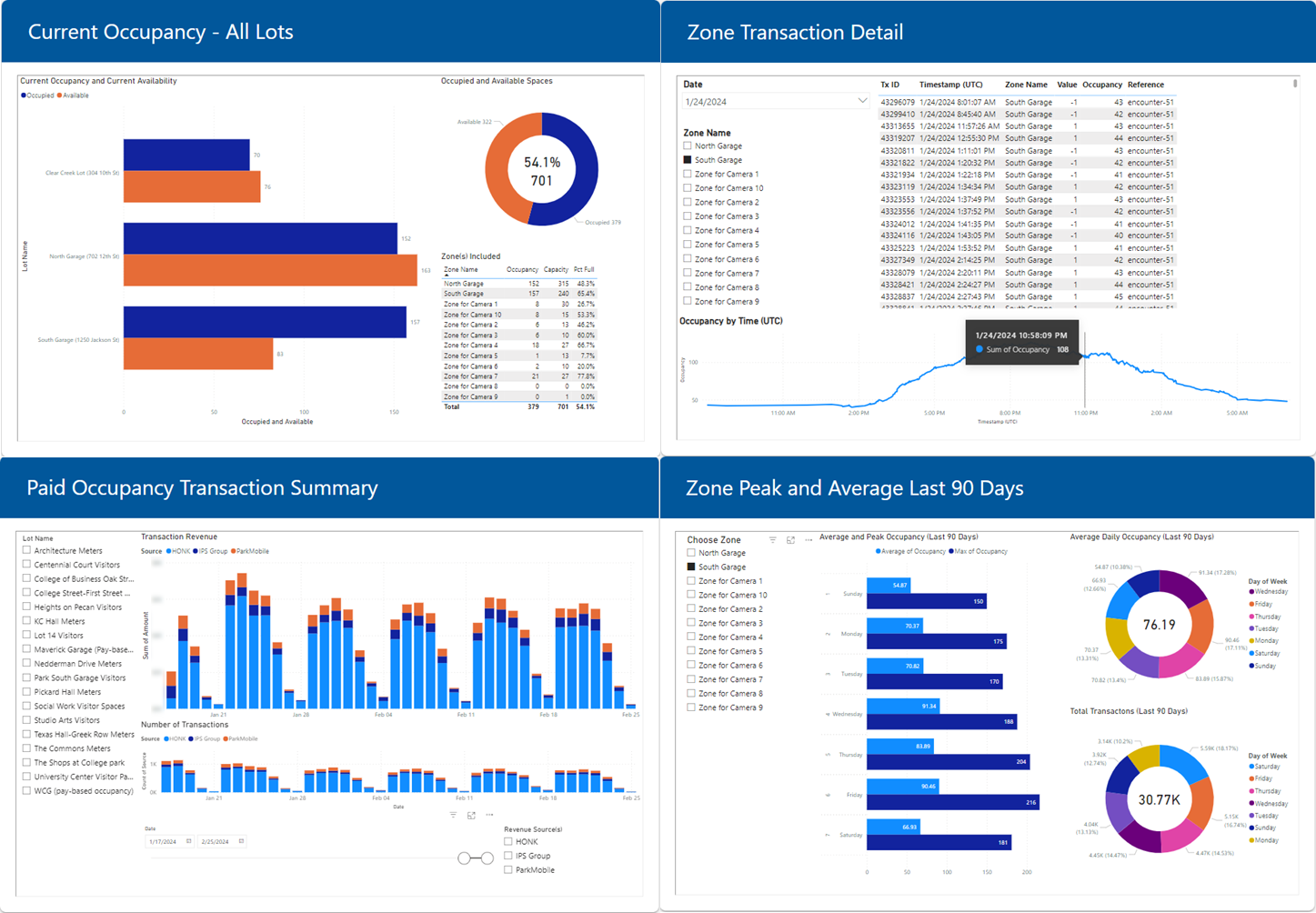
The result was a real-time view of the entire campus: occupancy per lot, arrival and departure patterns, dwell times, and a clear picture of which parking areas regularly overflow and which ones rarely fill. Campus parking management shifted from reactive to informed.
Understanding Behavior, Not Just Counts
Counting cars is one layer. Understanding how students, faculty, staff, and campus visitors actually use your parking spaces is another.
Fixed LPR at lot entries, exits, and campus entrances feeds plate reads into Mistall's analytics and Fleming's existing parking management platform, OPS-COM, via a Vaxtor integration. With that data overlay, Fleming can now see how long vehicles stay in each lot, where overstays and misuse occur, and which designated spaces are being used as intended — and which aren't.
That shift changes how enforcement works. Rather than sending officers on routine rounds, Fleming can now direct staff toward the parking locations and vehicles that data shows are actually out of compliance. Parking citations are issued faster and backed by clear digital records. Mobile LPR and tablets connect field work to the same live data. Compliance improves, parking privileges are protected, and officer time is used where it matters most.
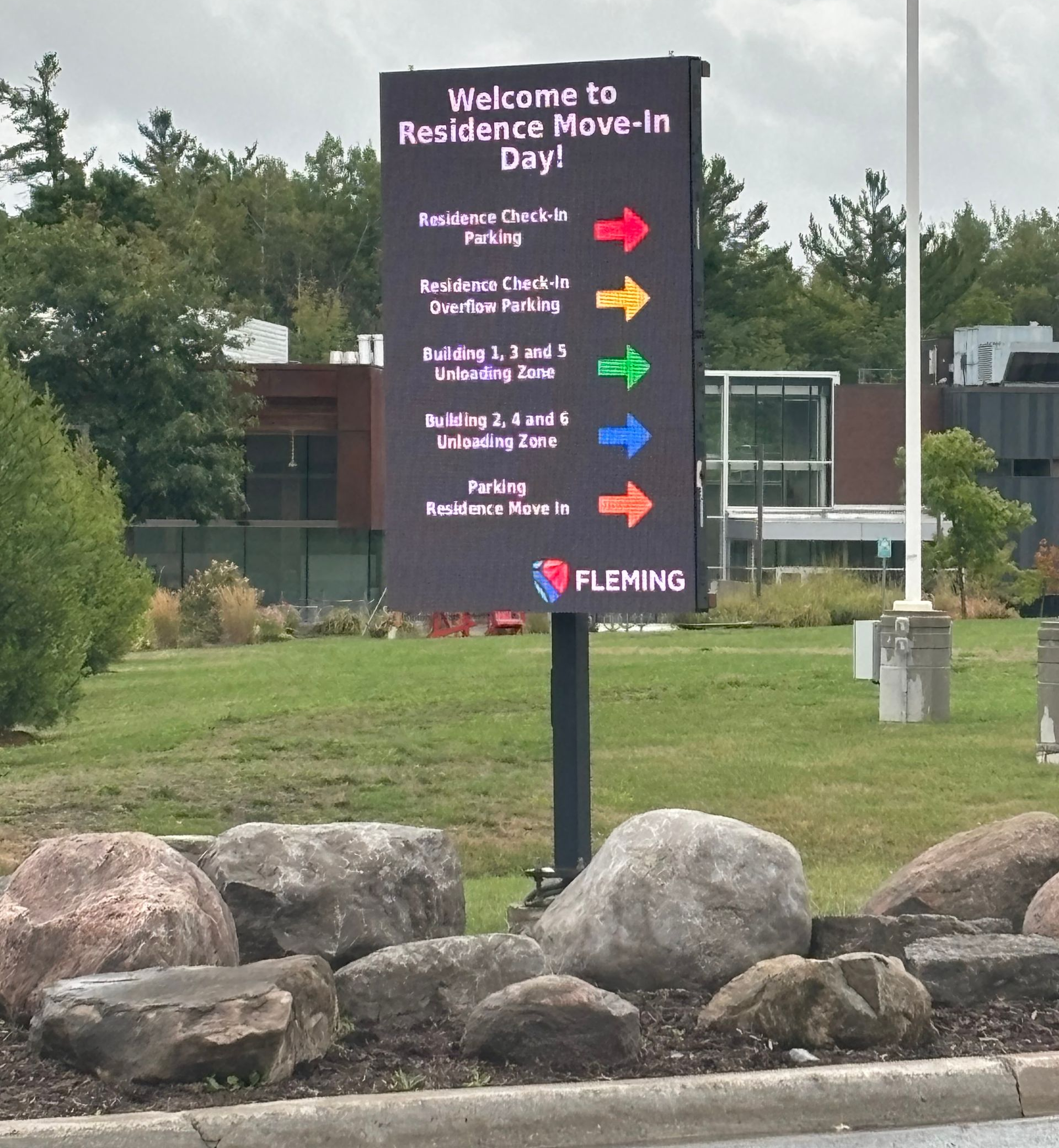
Helping Drivers Before They Even Turn In
For drivers, the guidance experience begins at the campus edge.
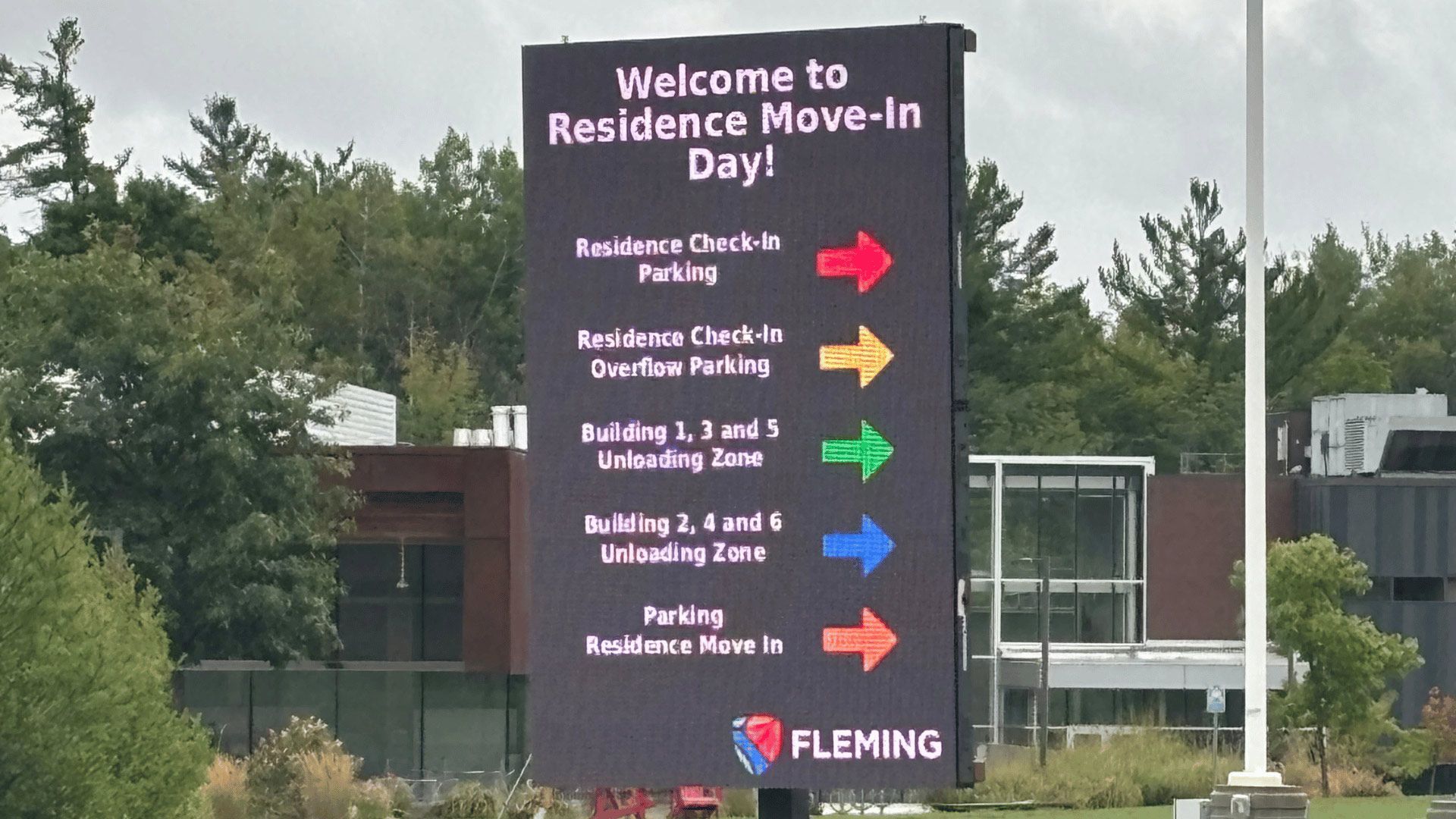
Mistall installed a two-layer signage system. Two large multi-lot LED displays, positioned at strategic campus entrances, show parking space availability across several lots at once. Because they're software-driven, Fleming can update which lots are featured or how they're labeled — useful for event parking, busy periods, or directing specific groups of parkers.
At the entry points of the six core lots, smaller LED signs show real-time parking space availability based on live occupancy data. Drivers know immediately whether a lot is open, filling up, or full — right at the moment they need to decide. Circling drops. Congestion in high-demand zones eases. And the signs send a clear message: parking is being actively managed.
Extending Guidance to Phone and Web
Physical signs help drivers once they're on campus. Many want information earlier.
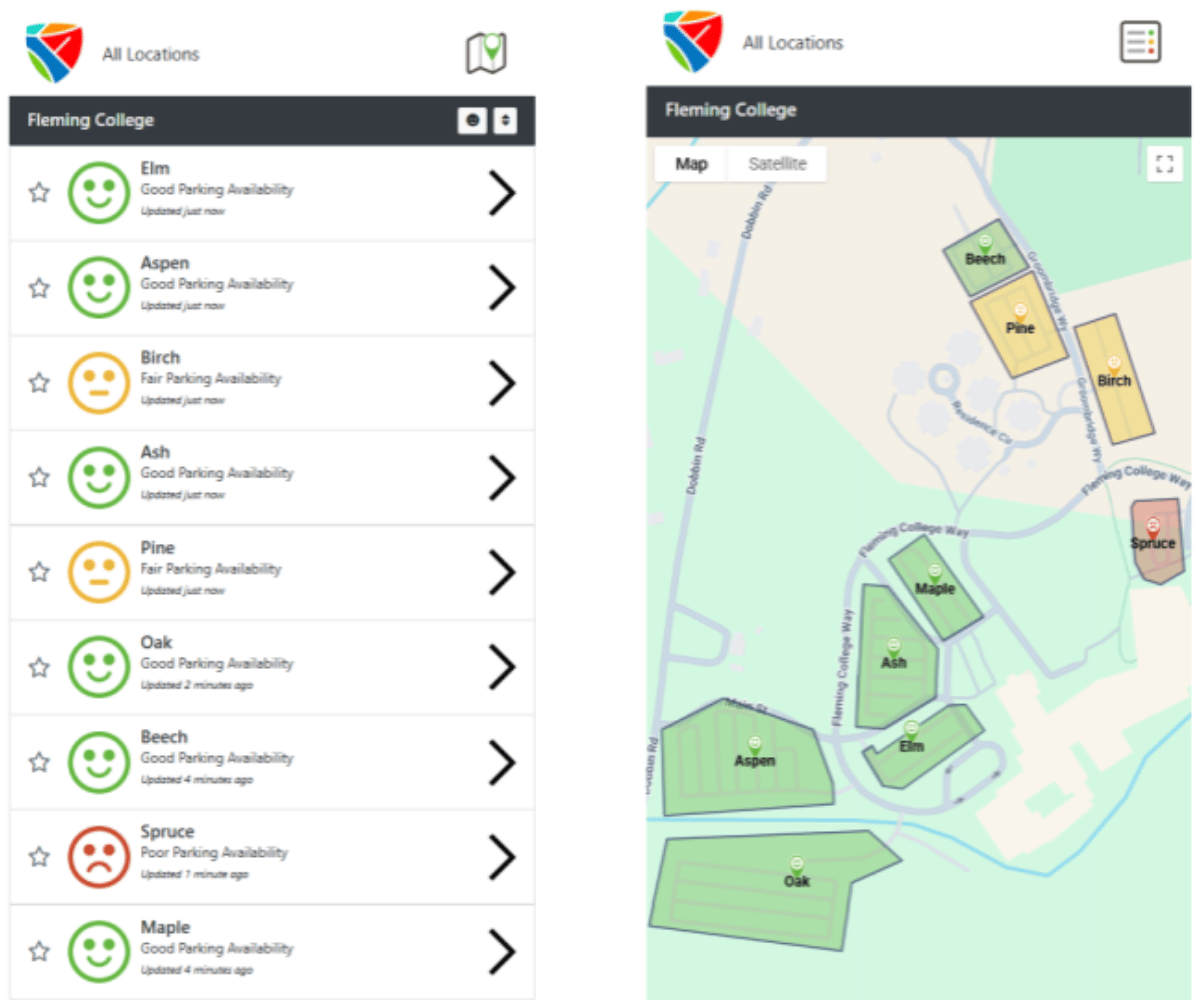
Mistall deployed mPark, a mobile-optimized parking map and web page that shows live parking availability without requiring an app download. Students, faculty, and campus visitors see a branded map and list view of all parking options, with color-coded availability and a "Take Me There" button for directions. For visitor parking and new students especially, that low-friction experience makes a real difference.
Mistall also enabled the same live occupancy data to appear in Fleming's Concept3D interactive campus map. The campus community — visitors, students, and staff — can see real-time parking availability, including a visual histogram of average availability by time for the current day, overlaid on the lots they're planning to use, before they leave home. It functions as a live, always-current parking map for the entire campus.
The result is a consistent experience across every touchpoint:
- At home: Concept3D with live parking overlays
- On the way: mPark in the browser
- On campus: dynamic LED signage
Benefits Across Stakeholders
For Parking Operations
- Unified, real-time view of nine lots and campus entrances
- Policy and planning decisions based on actual use, not anecdotes
- A scalable campus parking solution for future lots, campuses, or pricing models
For Campus Security & Enforcement
- Directed enforcement based on dwell times and compliance patterns
- Faster, more accurate issuing of parking citations with full audit trails
- Better use of officer time with mobile LPR connecting field work to live data
For Students, Faculty, Staff, and Visitors
- Less time spent hunting for daily parking
- Simple, consistent guidance from home to parking spot
- A visible improvement in the everyday campus parking experience
Smart Parking Solutions for the Modern Campus
The Mistall–Fleming collaboration turned a daily parking problem into a coordinated, data-driven system — a model for smart parking solutions on university campuses across North America.
By combining vehicle counting across all nine lots, fixed LPR for dwell time analysis and directed enforcement, flexible lot-level and campus-wide LED guidance, and mobile and web guidance through mPark and Concept3D, Fleming now has a parking system that works as a connected whole. The result is better parking demand management, reduced parking challenges, and a campus experience that reflects the expectations of today's students, faculty, and staff.
Drivers make better decisions. Staff see clearer patterns. And the college has the data it needs to manage demand, plan ahead, and keep improving — often making parking feel just easier, without anyone needing to know exactly why.