5 Metrics Every Campus Parking Director Should Be Sharing With Administration
Campus parking has a way of putting directors in a defensive position before the conversation even begins. A faculty member insists there is no available parking near their building. A student circles a parking garage three times looking for an open parking spot. Administration asks whether the campus needs more parking infrastructure. Meanwhile, you know the issue is rarely that simple.
The challenge is rarely a lack of parking space. It is a lack of visibility across the parking system.
For directors who want to move from reactive reporting to proactive parking management, the key is starting the academic year with clear, defensible data. When your parking operations are backed by measurable trends rather than anecdotes, the conversation shifts from complaints to strategy.
Below are five essential metrics that support smarter planning, better communication, and a more reliable parking experience for everyone on campus.
Smart Parking Technology Starts with Real-Time Parking Occupancy
Every smart parking system begins with one foundational metric: parking occupancy.
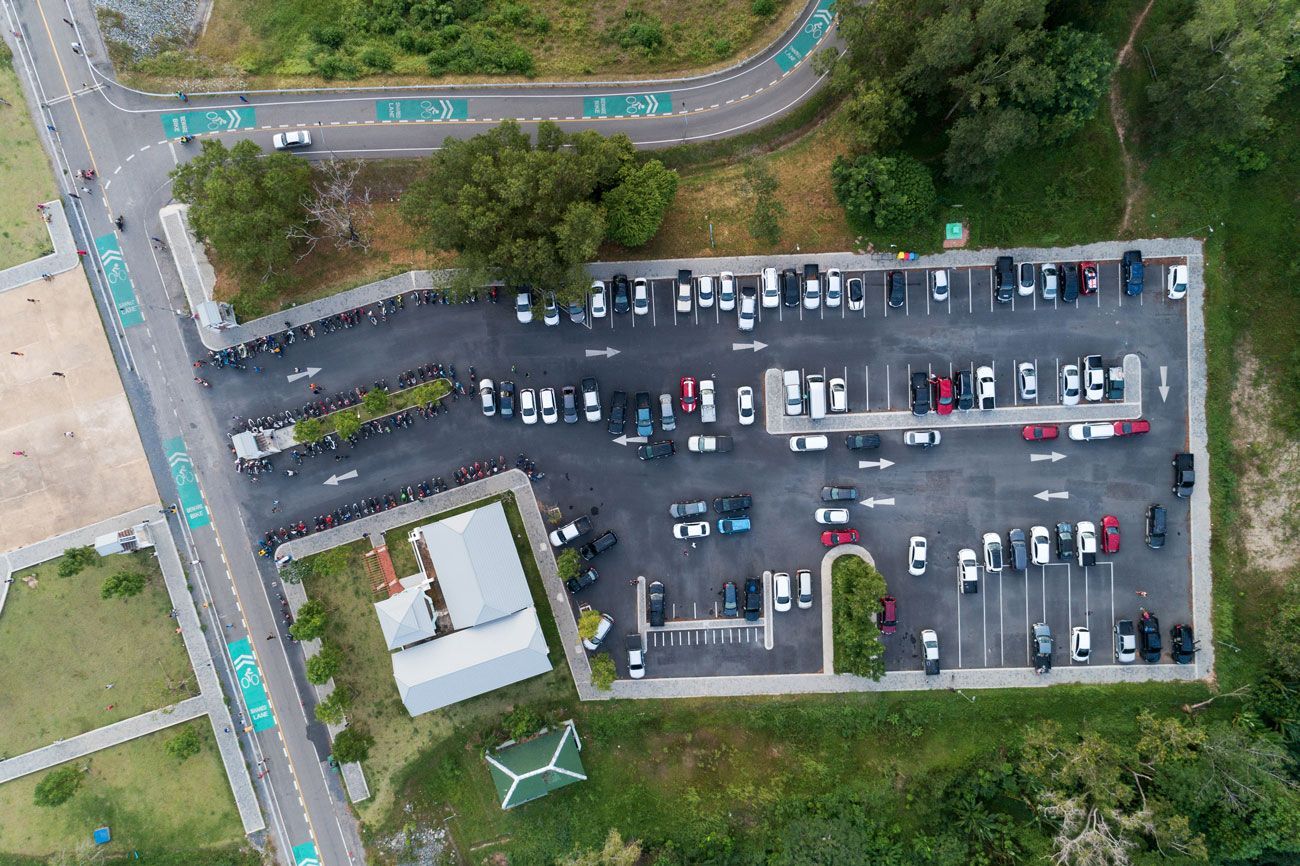
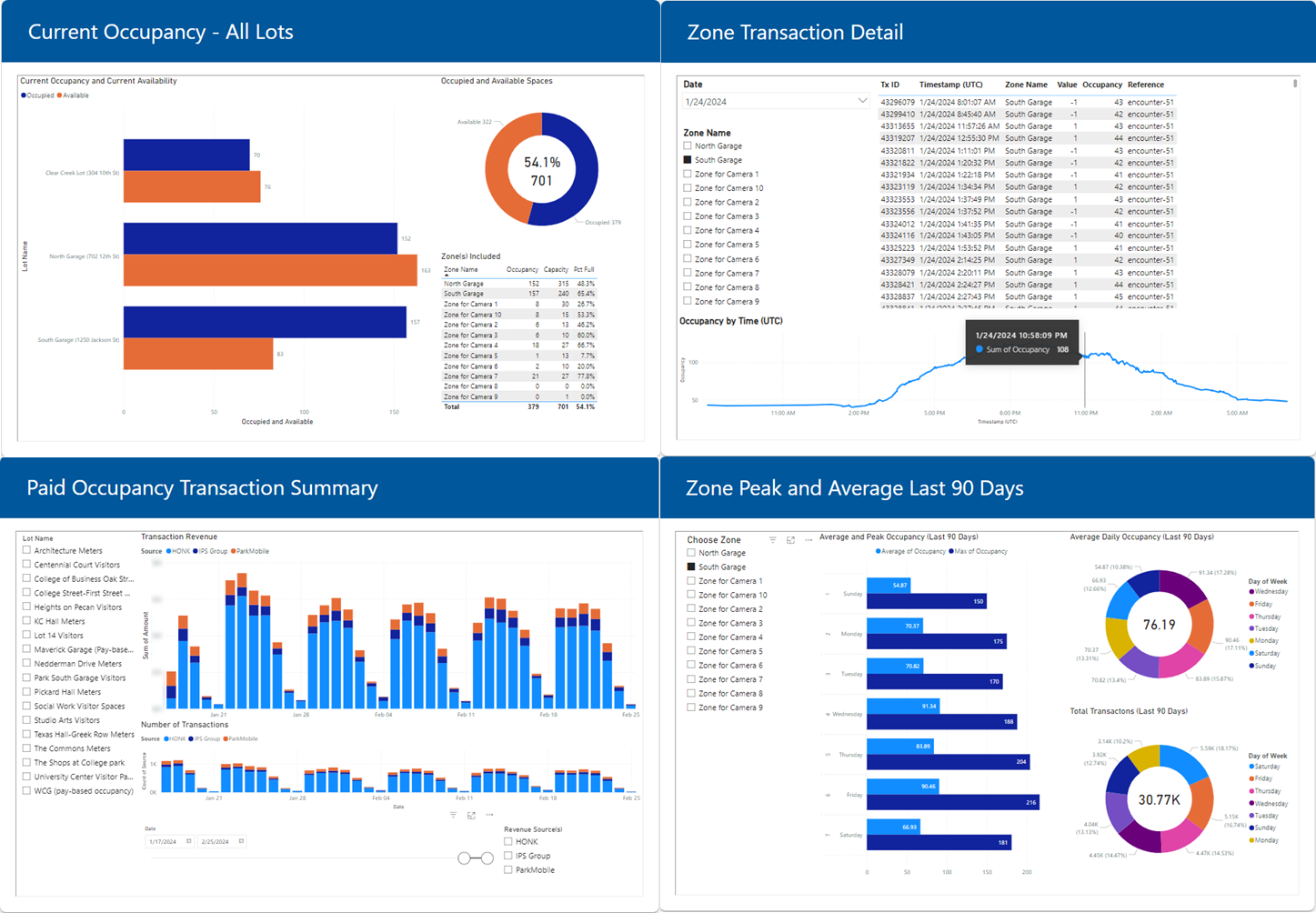
Real-time parking occupancy tells you how many parking spaces are filled compared to total capacity within each parking lot, parking garage, or designated parking area. When captured through modern parking technology such as cameras, vehicle counter tools, and license plate recognition, occupancy data becomes both immediate and historically valuable.
Smart parking technology is not about adding complexity. It is about understanding when parking demand approaches critical thresholds. Research and experience consistently show that once a parking facility exceeds approximately 90 percent occupancy, drivers perceive it as full, even if a few parking slots remain.
When you can demonstrate exactly when a parking lot or parking garage reaches that threshold - and how long it stays there - you gain clarity around whether the issue is true supply constraints or short-term demand spikes tied to scheduling.
That clarity is the foundation of any intelligent parking system. It allows parking operators to make adjustments before complaints escalate and to present leadership with data that reflects actual parking availability across campus.
Turnover and Traffic Flow: Parking Is Movement, Not Just Storage
Occupancy tells you how full a parking area is. Turnover reveals how active it is.
Turnover measures how frequently vehicles enter and exit a parking facility throughout the day. On a campus, these patterns often mirror class schedules, event timing, and operational rhythms. Morning arrivals, midday transitions, and evening departures all influence traffic flow within parking systems.
High turnover can increase traffic congestion near crosswalks, traffic signals, and parking access points. In these cases, parking data becomes transportation data. It reveals friction points that extend beyond the parking lot and into broader urban mobility and campus planning conversations.
When turnover trends are shared with administration, they help explain why congestion occurs at specific times and locations. Instead of framing parking as a static inventory of parking spaces, you demonstrate how parking operations directly affect campus safety and traffic flow.
Smart parking solutions that track both occupancy and vehicle movement provide a more complete operational picture than static counts alone.
Dwell Time: Understanding Behavior Behind Parking Demand
Dwell time measures how long a vehicle remains parked in a specific parking spot or parking area.
For faculty and staff, longer dwell times are expected and often align with full workdays. For students, parking patterns are typically more dynamic. A student may park near one building for a morning class, move their vehicle later, or rely on alternative transportation between sessions.
Understanding dwell time provides insight into how different user groups interact with your parking systems. It also supports smarter permit structures, improved parking enforcement strategies, and more effective parking guidance system planning.
Parking is rarely the primary destination. It supports academic, administrative, and social objectives. When you analyze dwell time through a centralized parking management solution, you gain a clearer view of user intent rather than simply measuring occupancy.
This behavioral insight is a key component of smart parking technologies that aim to improve both operational efficiency and the overall parking experience.
Peak Occupancy: Separating Supply Limits from Demand Management
Parking operators cannot easily increase supply. A parking garage cannot expand overnight, and a parking lot cannot generate additional parking spaces when demand surges. Peak occupancy highlights when your parking system reaches its operational ceiling.
If one parking facility consistently reaches 100 percent occupancy while another nearby parking area remains underutilized, the issue is not total supply. It is distribution and guidance.
This distinction matters during capital planning discussions. Data showing that certain parking spaces remain consistently available while others fill quickly can support investments in a parking guidance system rather than new construction. A modern parking app or mobile app interface that directs users to available parking space in real time can often relieve localized pressure more effectively than expanding parking infrastructure.
Peak occupancy trends, especially year-over-year comparisons, provide measurable evidence of whether pricing adjustments, permit changes, or access control updates are influencing demand in the intended direction.
Integrated Data: The Multiplier Behind Smart Parking Systems
Most campuses already operate multiple parking systems. Payment platforms, revenue control systems, license plate recognition tools, parking lot cameras, sensors, and access control software all generate valuable information.
The challenge is not data scarcity. It is fragmentation.
When occupancy data from cameras or sensors is layered with transaction records, discrepancies become visible. If a parking lot shows 220 vehicles present but revenue control systems report fewer valid transactions, enforcement gaps can be identified quickly.
When license plate recognition is combined with dwell time analysis, patterns around overstays or misuse of specific parking slots become measurable rather than anecdotal.
Mistall’s data integration platform centralizes information from existing parking systems and connects them through a clear user interface. With more than 30 standard integrations, Mistall helps parking operators unify occupancy monitoring, parking access data, and payment systems into one cohesive parking management solution.
This approach supports smarter parking solutions without requiring expensive overhauls of existing parking infrastructure. Directors often discover they already have the components of a smart parking solution in place; they simply need those systems working together.
By consolidating data across parking lot surveillance cameras, vehicle counter tools, sensors, and transaction systems, smart parking systems become actionable rather than theoretical.
From Reactive Reporting to Proactive Parking Management
Reactive reporting focuses on explaining what went wrong after complaints occur. Proactive parking management anticipates pressure points before they disrupt campus operations.
Historical occupancy trends can reveal predictable strain tied to class schedules or new construction projects. Turnover data can highlight areas where traffic congestion is likely to intensify. Dwell time analysis can uncover mismatches between permit structures and actual behavior.
When this information is centralized within a smart parking system, parking operators gain the ability to present leadership with clear projections rather than defensive explanations.
The first step toward this shift is not new hardware. It is taking inventory of the data you already collect across parking systems, including payment platforms, parking lot cameras, license plate recognition tools, and sensors.
Mistall helps bring that data together into a single intelligent parking system that supports ongoing optimization. By improving visibility into parking occupancy, parking availability, and user behavior, directors can begin the academic year with a strategy rooted in measurable evidence.
Campus parking will always involve competing priorities, limited space, and evolving demand. However, when smart parking technologies are supported by integrated data and thoughtful planning, the conversation moves beyond complaints and toward long-term improvement.
Starting the year with a unified parking management solution does more than improve reporting. It strengthens your ability to guide decisions, reduce traffic congestion, and deliver a smoother parking experience across every parking facility on campus.