Managing Parking Technology Costs During Low-Traffic Periods
Why "Built for the Busiest Day" Is the Wrong Standard
You don't build a church for Easter Sunday. That old saying applies just as well to parking. If we size our technology and staffing around the busiest day of the semester, we end up carrying costs that sit idle most of the year.
The busiest day is the one that sticks in memory. It's the one leadership hears about, the one that feels like the real test of whether our parking operation works. But we should be building for typical demand, not peak demand. Most parking operations have a fixed supply. We know how many spaces we have across our lots and garages, and we can't create a thousand new ones overnight. The choice we do control is how we size our technology and staffing around the demand that actually shows up, day after day.
Covering a handful of peak days per semester from a full year's budget isn't a personal failure. It's a pattern almost every parking operation falls into at some point.
What Counting Technology Actually Costs You, and When
A vehicle counting investment, whether it runs through a camera or another form of monitoring, isn't something you switch on for busy periods and off for quiet ones. Once you've invested, you're collecting data all the time, whether the lot is packed or empty.
That's almost a sunk cost. Whether Wednesday is slammed and Friday morning is dead, the system runs either way, and the value comes from the historical picture it builds over time. So the budgeting question isn't whether to turn something off during slow periods. It's whether we're actually using what the system is already telling us. Staffing is different. Staffing scales with the work that needs doing, and that's where low-traffic periods create real room to adjust.
How Much Accuracy Actually Justifies the Spend
Occupancy data doesn't need to be perfect to be useful for budgeting. You can get inexpensive occupancy data today, and even that level of accuracy supports real decisions.
Past a certain point, spending more to get more precise vehicle counts runs into a law of diminishing returns. Every extra dollar buys a smaller improvement in accuracy, until the added precision stops changing the decision in front of you. For budgeting, what matters most is trends and general peak patterns, not decimal-level precision.
Publishing occupancy information directly to Parkers is a different job, and it calls for a higher bar. Internal budgeting doesn't. We don't need to chase accuracy that won't change the outcome. We need enough data, and enough confidence in its quality, to build a budget on. A small amount of very high‑quality data from one lot or garage isn’t a strong foundation for major decisions. A broad set of reasonably accurate data across most of your parking areas is.
Turning Historical Patterns Into Lower Operating Costs
Historical occupancy data starts paying for itself in ways you can point to directly.
Take enforcement. If officers walk the same beat through the same parking lots in the same order every day, parkers learn the pattern fast. They know enforcement passes through a given lot around ten in the morning, so they avoid parking there at that time, or make sure they've paid by then, and take their chances the rest of the day.
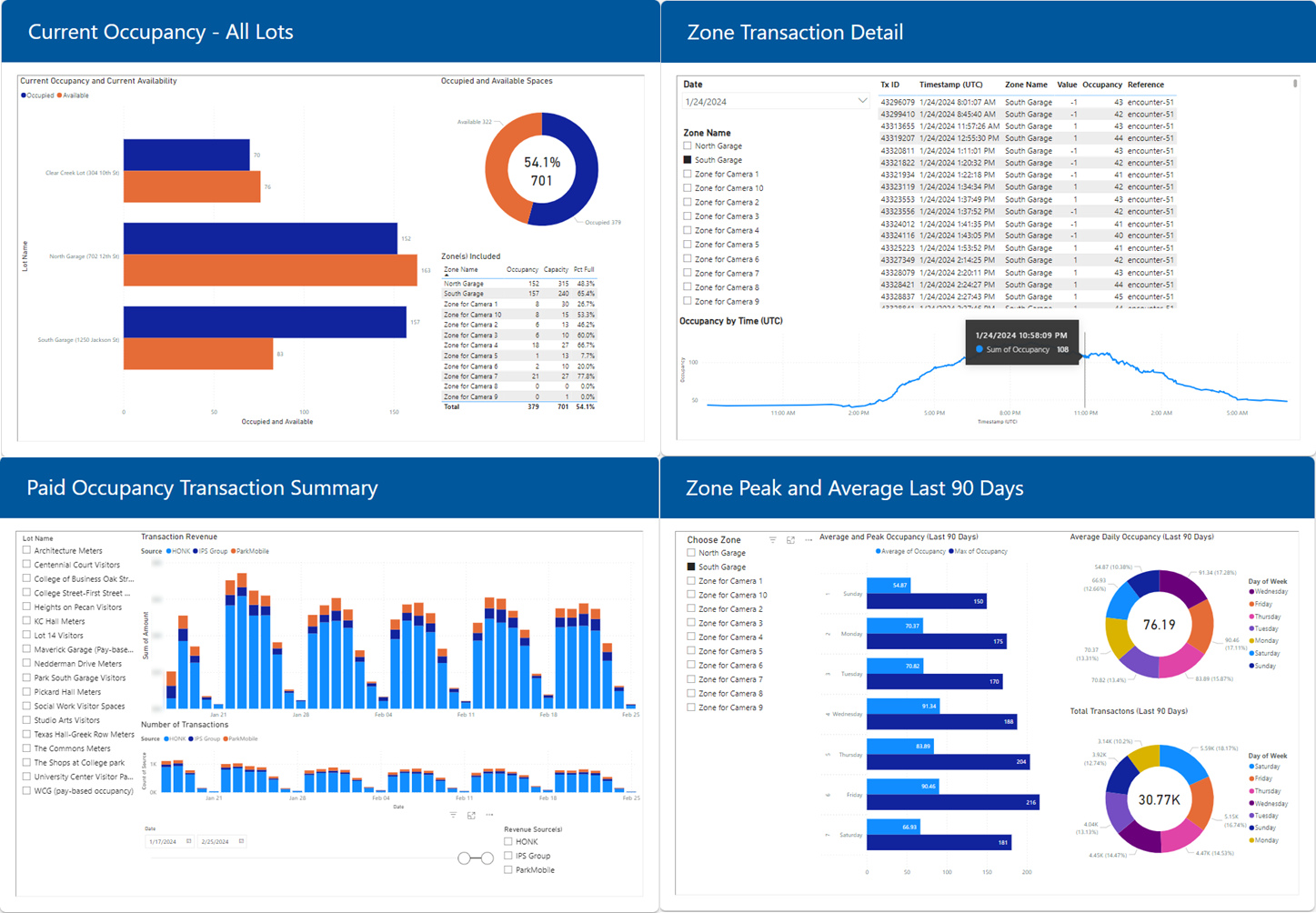
Historical occupancy patterns let you break that predictability. Instead of a fixed beat, you can build a route based on where the data shows violations are actually concentrated, so officers spend their time where offenders are most likely to be rather than walking a predictable loop hoping to catch someone.
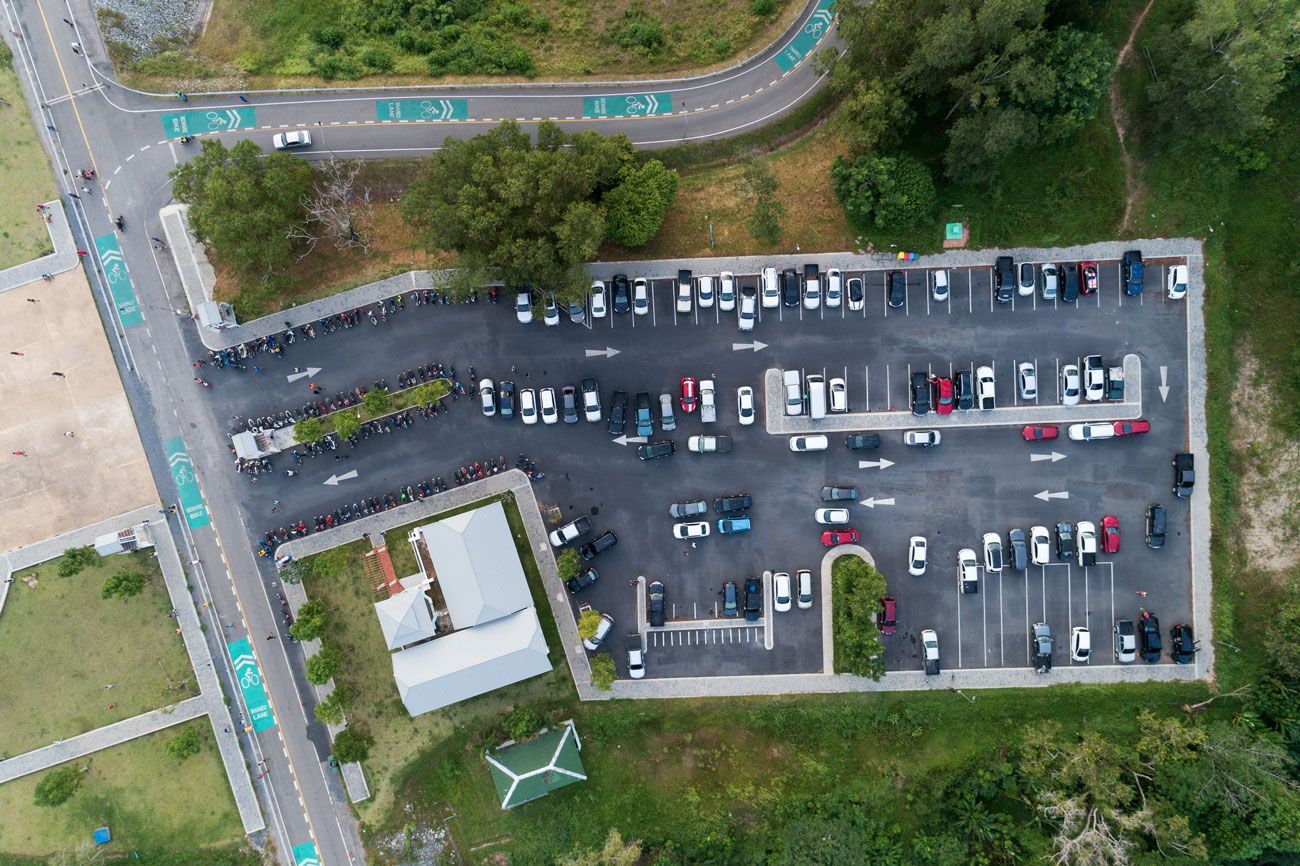
The same data changes how you think about supply. If your core campus area, the expensive garage near the center of things, is heavily used while peripheral lots sit underused, that gap tells you something. You may not need to add expensive core supply to meet demand. Availability already exists nearby, and demand can be routed there instead. Several long-term campus parking plans call for building new garages to meet projected demand, and garage construction is expensive. Using existing parking lot capacity more effectively, guided by data you already have, can defer that kind of build for five or ten years. For a campus operation, that's real money.
The Real Cost of Overbuilding for Peak Demand
Overbuilding doesn't show up as a single bad decision you can point to and fix. It shows up as an ongoing cost that compounds year after year, long after the original choice was made.
When technology or infrastructure gets sized around the extreme case, the busiest single day rather than the typical one, the operation carries that oversized footprint every single day it isn't needed. A garage built to handle peak demand costs the same to operate and maintain on a quiet Friday afternoon as it does on the busiest Tuesday of the semester. That gap between what was built and what's actually needed doesn't correct itself. It sits there, year after year, as a cost with no matching benefit.
You don't build your capacity around your biggest, heaviest day. You build it for your typical day, and you use the tools available to you, including your own data, to manage the peaks when they come. Some operations have worked with their institutions to spread demand more evenly across the week rather than letting it concentrate on the same two or three days every semester. Smoothing demand is often more cost-effective than building capacity to absorb it.
Making the Case to Leadership Without Overselling It
If you're sitting on a technology or staffing line item you're not entirely sure you can defend, the fix isn't to spend less for the sake of it. It's to show that the spend matches actual, typical demand rather than the exception.
You're not asking for less. You're asking to align spend with the demand your data actually shows, instead of the demand your worst day suggests. Framed that way, the conversation is about discipline and precision, not scarcity.
This is also where having the right occupancy monitoring and reporting tools in place makes the case for you. When you can show leadership the actual pattern, not a guess or an anecdote, the decision speaks for itself. That's the kind of tool we built Mistall to be: a way to see the real demand pattern behind the number, so the case you bring to leadership rests on data you already have rather than one you had to go build from scratch.
Weighing Cameras Against Other Counting Technologies
When you're comparing counting technologies, cameras carry a few advantages worth weighing directly.
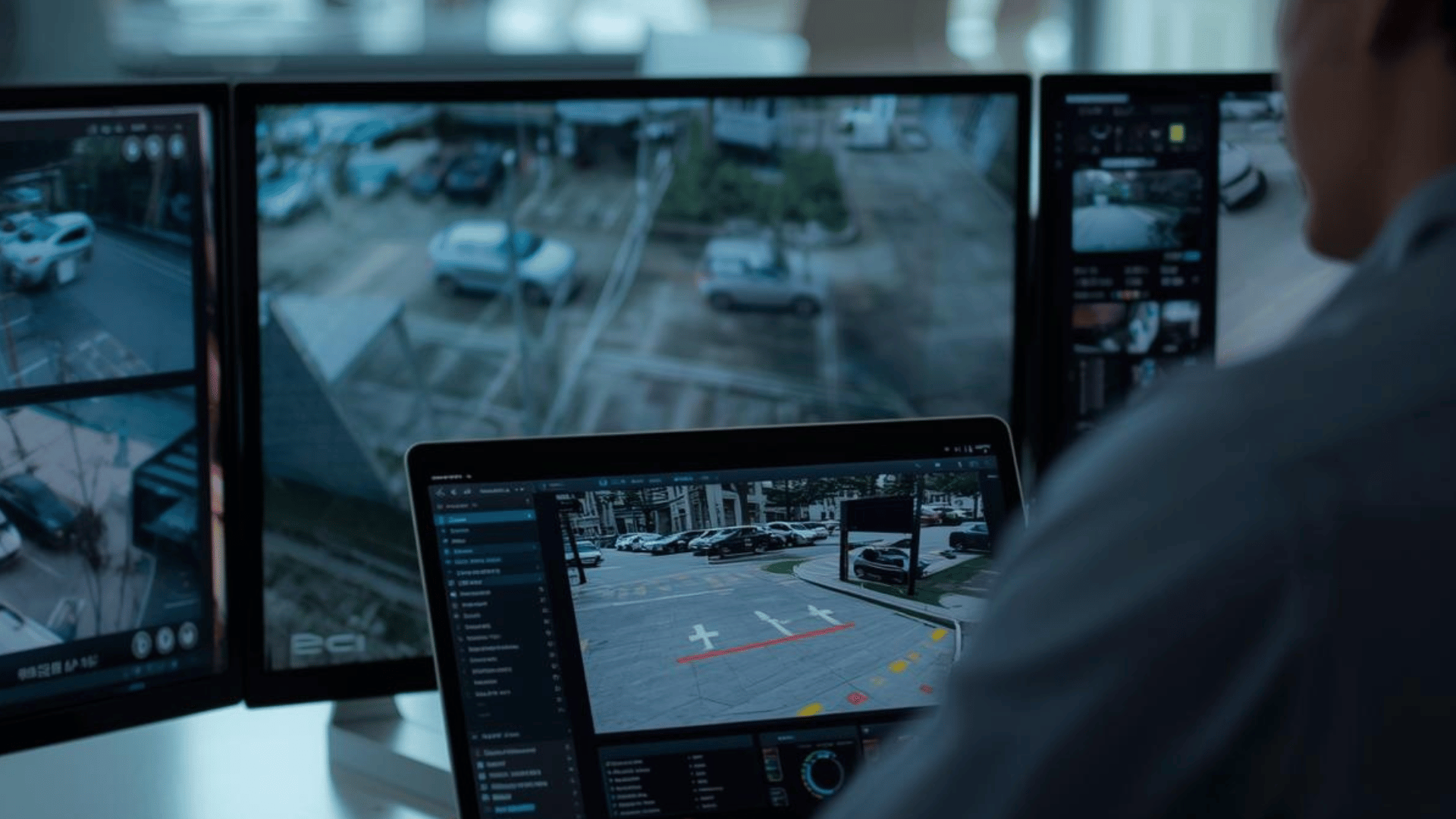
They're a relatively light hardware investment. A single camera can cover a lot of ground, seeing many spaces and vehicles at once across an entire parking lot, and it supports auditing in a way a blind sensor can't. You can watch a vehicle move through a camera's field of view and confirm the count, sometimes reviewing the video after the fact if a number looks off. A sensor just gives you a number, with no way to visually check it. Many campuses have also already invested heavily in camera infrastructure for security purposes, so the hardware may already be in place, waiting for a second use.
Dedicated technologies, like overhead or ground sensors, can offer more accuracy in raw vehicle counting terms, but they only do one job. Cameras double as a broader monitoring tool while also producing occupancy counts, and the artificial intelligence behind that counting keeps improving. An investment made today gets more accurate over time, often through a software update rather than new hardware. Lower upfront cost, dual purpose, and improving accuracy over time. That combination is worth weighing seriously against a single-purpose sensor that only ever does the one thing it was built to do.
Frequently Asked Questions
Can vehicle counting data help reduce parking staffing or technology costs during low-demand periods?
Vehicle counting technology is close to a sunk cost since it collects data all the time, regardless of demand. Staffing is where you get real flexibility, because it scales with actual work. Historical occupancy data lets you deploy enforcement staff based on where violations concentrate rather than a fixed daily route, which is a more efficient use of the same team.
How accurate does parking occupancy data need to be for budgeting decisions?
Occupancy data does not need to be highly precise to support budgeting decisions, particularly when you are measuring all or most of your parking areas. Inexpensive occupancy data is often accurate enough. Spending more to get marginally more precise counts runs into a law of diminishing returns, since each additional dollar buys a smaller improvement in accuracy. For budgeting, general trends and peak patterns matter more than exact figures.
Can historical occupancy patterns actually lower parking operating costs?
Yes. Historical patterns let enforcement teams shift from a predictable daily beat to a data-driven route focused on where violations concentrate. The same data can also reveal underused peripheral lots near an overcrowded core area, which can reduce or delay the need for expensive new garage construction by years.
What is the risk of building parking technology or infrastructure around peak demand instead of typical demand?
Sizing technology or infrastructure for the busiest day creates an ongoing cost, not a one-time overspend. A garage or system built for peak demand costs the same to operate on a quiet day as it does on the busiest day of the semester, and that gap between capacity and actual need compounds every year it goes uncorrected.
How can a parking manager justify a technology or cost-saving decision to senior leadership?
The case is strongest when it is framed around aligning spend with actual, typical demand rather than presenting it as a budget cut. Showing leadership the real demand pattern, backed by occupancy monitoring and reporting data, makes the decision self-evident rather than requiring persuasion.
How do parking lot cameras compare to other vehicle counting technologies?
Cameras are a relatively light hardware investment that can cover many spaces at once and support visual auditing, something a sensor alone cannot do. Many campuses already have camera infrastructure in place for security, giving it a second use. Dedicated sensors can be more accurate at counting alone, but only do that one job, while camera-based counting improves over time as its underlying software gets smarter.